Let’s geek out learning about marketing studies & digital strategies.
At The Strategic Ampersand we truly enjoy helping others better understand *the why* and applying these findings to their own marketing strategies. When teaching sessions on any given topic, you can bet your bottom dollar there will be a recent study's graphs or show how a system works to lay the foundation for the conversation that follows. We wholeheartedly believe it's worth our time and energy to balance our digital and analog relationships simply because a vast majority of us live with these two elements overlapping daily. Some days it may feel more like an eclipse, with one overtaking the other - and that's ok! - it's about making an honest effort each day while setting realistic boundaries.
Basically, it's what The Strategic Ampersand is all about: helping others find that balance by clearing out the digital clutter and dispelling social media myths, while focusing on what's important to you, for your brand, and your audience.
the latest and greatest

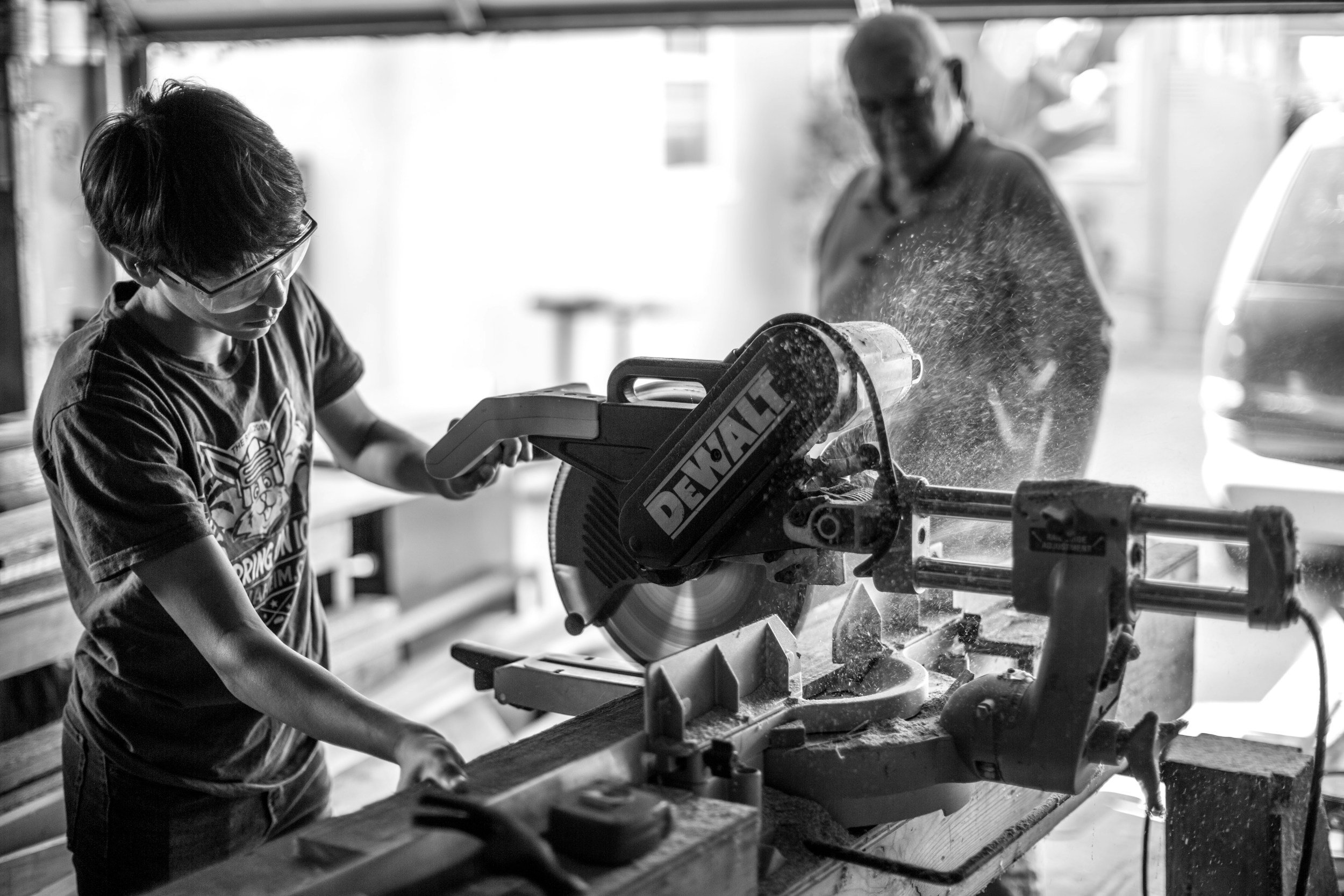
"In case your dad didn't show you this" is a good hook. It creates instant connection and gets clicks. But the more I watched, the more I found myself thinking — wait. What did my dad actually gatekeep from me? He was deployed. And I suspect some version of that story belongs to a lot more people than that hook accounts for. This is what digital empathy in content strategy actually looks like.
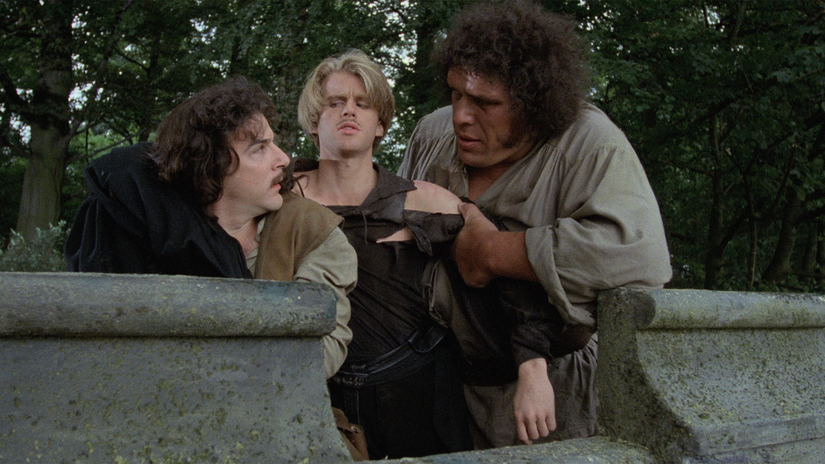
There's a line in The Princess Bride that lives rent-free in my head. Westley - recovering from being mostly dead - surveys an impossible situation and says: "I mean, if we only had a wheelbarrow, that would be something." It's the Swiss Army Knife of problem-solving quotes. Not a complaint. A rallying cry. Marketing works the same way - but only when the rest of the business is ready to storm the castle together.
I’ve spent the last decade-plus building brand programs, running campaigns, writing copy, directing creative, and thinking constantly about what it means to actually connect with an audience rather than just reach one. To recognize pain points is to acknowledge someone’s actual lived experiences. To build a content strategy around those experiences is to create confidence not just in the brand, but in the individual themselves.
Partnering with an individual can be a great way to help build brand awareness, announce a new service, or introduce a product to new audiences. Having a process in place - a checklist of sorts - before asking an Influencer, Ambassador, or Affiliate to work with your brand will help make it a smoother process.
“Influencer” has become a murky catch-all for folks who contract with brands to promote products or services. Depending on your marketing strategy and sales goals, contracting with Influencers, Ambassador, and/or Affiliates can help further brand awareness, attract and educate new and current audiences, and increase sales.
As someone who has crafted numerous editorial calendars based on an strategy, posting outside the plan can be tough. On the flip side, with more and more people changing up how they view brands and use the platforms, involving HR can be both an incredible recruiting tool and a refreshing way to share a brand’s story. And you know what? Boom. Content made and problems solved all in one.
It doesn’t have to be an exact match - introducing new voices can be very helpful in reaching new audiences, but you should feel confident you can slide their content into your feed without causing a massive jolt to your audience.
I take three actions with his posts: 1) swipe through the pics or watch the watch the video, 2) tap to read all the content, and 3) ‘like’ the post. Three points of fairly consistent engagement and I’m delivered his new posts in a very consistent manner whenever I hop into the app. This is the algorithm working and working well. (And note: no saves, no shares - just watching, reading, and liking. Basically the algorithm thinks we’re friends - and who am I to correct that?)
Are there times you should push sales content? Absolutely. That’s the 20 of the 80/20 rule - make the pitch why your product or service fills a need or solves a problem - but the rest of the time, focuse on meeting folks where they are, listening to their needs, and offering content to help solve problems they may be facing.
The key difference from the social platforms: we ‘google’ with an idea of what we want or need, or have a question we’d like answered. Using the market example: we go to a farmers market to get food and support local farmers and producers; not to buy an airline ticket. Same goes for when we use a browser - we have a general idea of what we’re looking for or a question we’d like answered.
High-level daily content themes are basically post prompts to help further branding consistency. They’re not the priority for posting; these are purely content fillers to be used between announcements or whatever other points you wish to share with your community and followers on social media. It’s important to think of daily content themes as ways to further brand awareness, build community, or offer social listening.
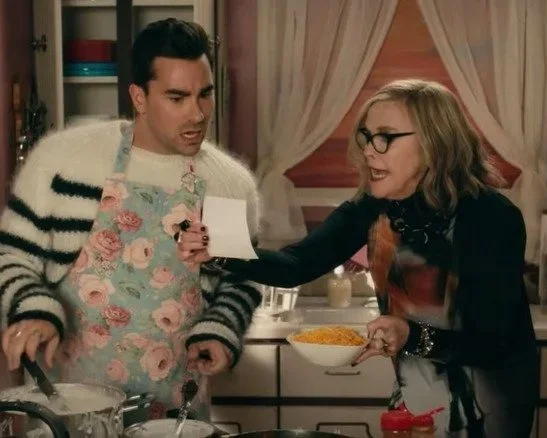
A business is a kitchen. HR is the fridge. Operations is the oven. Finance is the plumbing. Sales is the sink. Marketing is the counter - the surface everything moves across. It's not the heaviest appliance in the room. But take it out and suddenly nothing has anywhere to land. You don't realize how much you need the counter until you're trying to prep a meal over the sink.