
If Only We Had A Wheelbarrow
Originally published on The Strategic Ampersand Substack · 5/6/26
There’s a line in The Princess Bride that lives rent-free in my head - and is my go to line when I’m trying to solve a problem. In the movie, while hiding on a stone bridge overlooking a castle, Westley - spoiler alert: recovering from being mostly dead - is leaning on Inigo, while he (Inigo) says, “Let me sum up. Buttercup is marry Humperdinck in little less than half an hour. So all we have to do is get in, break up the wedding, steal the princess, make our escape… after I kill Count Rugen.”
Westley after saying it can’t be done - “Impossible. If I had a month to plan… maybe I could come up with something, but this…” - says:
“I mean, if we only had a wheelbarrow, that would be something.”
That’s the line. It’s the Swiss Army Knife of problem-solving quotes. It’s not a complaint. It’s a rallying cry. An ask for an efficient solution from the team, because Westley knows whatever happens they’ll need to storm the castle together.
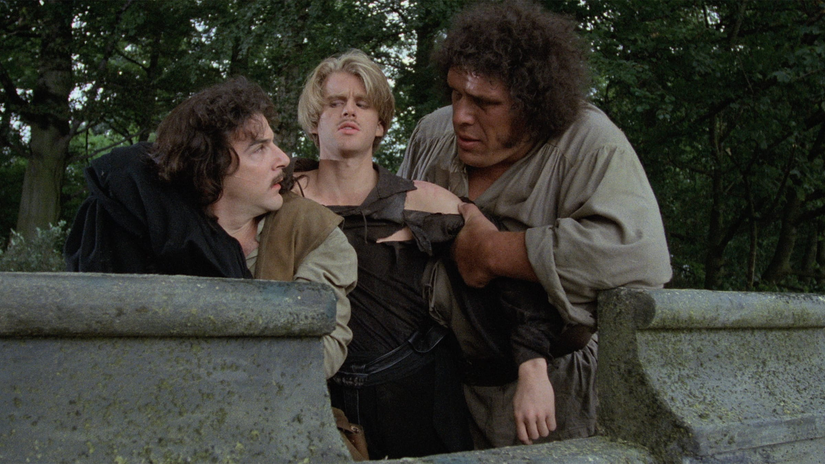
The Princess Bride; Twentieth Century Fox
And - because it’s an adventure-filled love story - it worked.
Real life, unfortunately, is not a fairy tale. And in business, marketing is not Westley’s brain, solving all the problems. Part of a solution? Yes. But not THE solution.
I AM NOT WESTLEY
A few years ago, I was asked to develop a marketing strategy for a PR colleague’s new client. During the meeting, we asked a lot of questions to better understand their goals. When I started talking about paid campaigns, I said, “I prefer to run paid campaigns for three mo—”
The client cut me off. “No. You have two months to make magic happen.”
“Hold on. That wasn’t previously mentioned,” my colleague said.
“You have two months to increase sales or we have to close shop.”
I heard Westley’s voice immediately in my head.
I’m not Westley. And we have no wheelbarrow.
Here’s the thing nobody wants to say out loud — or rather, the thing marketers say constantly but rarely get heard: marketing alone cannot save a business.
When I talk with clients about strategy, I ask about all the other elements in their business - and I’m clear if there are issues, I need to know about them. I could create a multi-million dollar campaign with all the bells and whistles, but if there’s a broken link in their operations chain, if the product isn’t reaching shelves or meeting customers’ expectations, if there’s a misalignment between what sales is promising and the client’s actual experience - then there’s a bigger issue at hand than what marketing can fix.
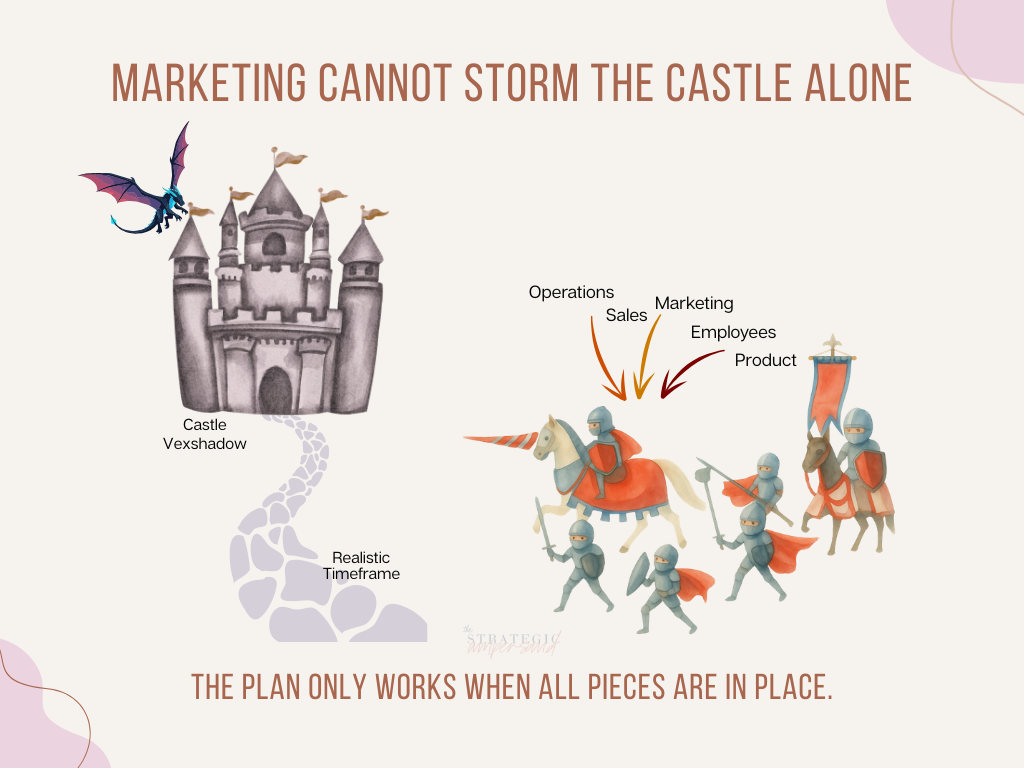
Westley didn’t storm the castle alone. Neither should marketing.
Leadership sometimes hears this as an excuse. It isn’t. It’s structural. A marketing strategy is most powerful when the rest of the business plan is sound - when there’s a product worth talking about; an operation system that can deliver the sales team’s promise. The plan works because the people executing it are ready to work as a team.
Most important though: marketing works best when it’s part of the plan from the beginning. When there’s time to build a strategy based on the audience, message testing, building a presence, and course-correcting before the stakes are existential.
In The Princess Bride, the wheelbarrow didn’t save Westley, Inigo, and Fezzik. They combined their individual strengths - and assets - to work together.
I think about that client often. Not with frustration - they were in a hard spot. They were doing what people do when they’re scared: reaching for anything that might help. That’s human. That’s understandable.
But it’s also a reminder of a question worth asking before you find yourself from the proverbial two months from panic mode:
When did you last bring marketing to the table; while you were making the plans, or only when it was time to storm the castle?


A friend paused mid-scroll to ask if a post's "low" likes were being throttled. It had 15K likes and 2K shares — that's not low. That same night, a Ted Lasso episode showed the exact same problem: a commercial with massive online support yet a less-than-desired attendance at a match. Here's what 100,000 likes actually look like translated into a real crowd — and why the number that matters isn't the one everyone's counting.